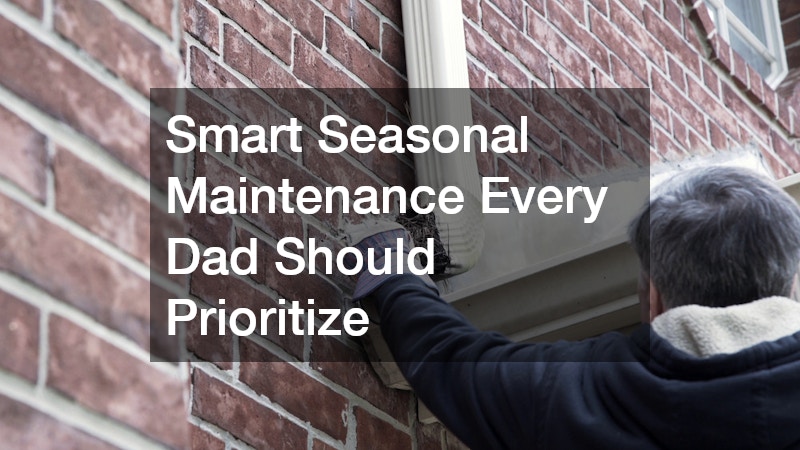
A well-maintained home rarely happens by accident. It comes from small habits repeated throughout the year: checking what looks worn, listening for odd sounds, noticing when comfort changes from room to room, and handling minor problems before they turn into expensive emergencies.
For fathers, seasonal maintenance often carries a little extra weight. It is not just about protecting a house. It is about keeping the family comfortable, safe, and ready for whatever the next season brings. A strange noise in the basement, a slow drain in the kitchen, a cold bedroom in January, or a damp spot near the ceiling can all become bigger problems when they are ignored.
The good news is that home maintenance does not have to feel overwhelming. When tasks are organized by season, they become easier to manage. Instead of waiting for something to break, dads can build a practical rhythm that keeps the home running smoothly all year.
Checking Water Systems Before Warm Weather Arrives
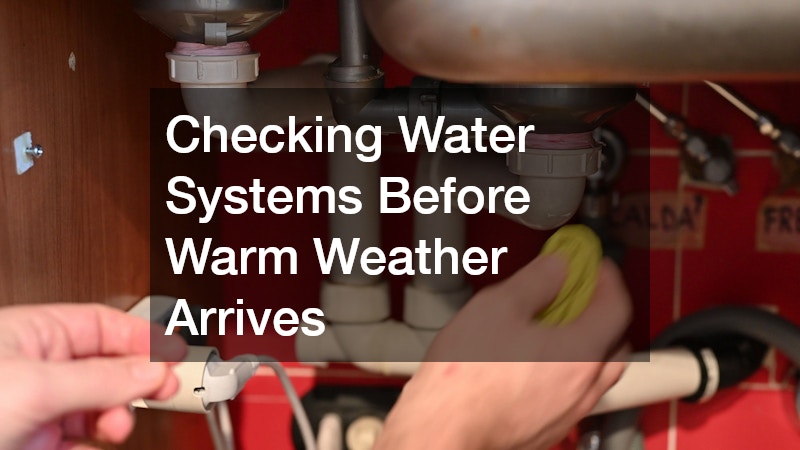
Spring is a smart time to walk around the house and look closely at anything connected to water. Cold weather can be hard on pipes, pumps, hoses, and outdoor fixtures. Even if everything seemed fine during winter, small cracks or pressure changes may only become obvious once the weather warms up and the family starts using more water outdoors.
Start with a simple inspection. Turn on exterior faucets and watch how the water flows. Look around the foundation for damp soil, pooling water, or stains. If your home uses a well or sump system, pay attention to cycling patterns, strange sounds, or reduced pressure. These early clues may point to the need for water pump repair before a total failure happens.
Inside the home, check under sinks, behind toilets, around the water heater, and near appliances that use water. A slow drip may not seem urgent, but hidden moisture can damage cabinets, flooring, and walls over time. If leaks, pressure problems, or recurring fixture issues keep showing up, plumbing repair should be handled before the household enters the heavier-use months of spring and summer.
Clearing Drain Buildup Before It Causes Trouble
A drain problem usually gives warnings before it becomes a full blockage. The sink empties a little slower than usual. The shower drain starts holding water around your feet. The washing machine area smells faintly musty. These are easy signs to overlook, especially during a busy week, but they are worth paying attention to.
A helpful spring habit is to run water through the most-used drains and note how quickly each one clears. Kitchen sinks often collect grease, food particles, and soap residue. Bathroom drains collect hair, toothpaste, and cleaning products. Laundry drains can collect lint and debris. Over time, buildup narrows the pipe opening and increases the chance of backups.
For stubborn or repeated clogs, a hydro jetting service can be useful because it clears the inside of the pipe more thoroughly than basic snaking. This is especially helpful when the same drain keeps slowing down after temporary fixes. Dads who want to prevent messy surprises should treat recurring drain issues as a system warning, not just a one-time inconvenience.
Improving Cooling Performance Before Summer Heat Peaks
Air conditioning problems have a way of showing up on the hottest day of the year. That is why early summer preparation matters. Before temperatures rise, turn on the cooling system and let it run long enough to test how well it performs.
Walk through the house and notice whether certain rooms feel warmer than others. Weak airflow, short cycling, unusual noises, or warm air from the vents can all point to a developing issue. Changing the air filter is one of the simplest tasks, but it makes a real difference. A dirty filter restricts airflow, makes the system work harder, and can raise energy bills.
Outdoor units also need attention. Clear leaves, grass clippings, and debris from around the equipment. Make sure there is enough open space for airflow. If the system struggles to cool the home, runs constantly, or makes grinding or buzzing sounds, ac repair may be needed before the problem becomes more expensive.
Think of this as comfort insurance. A little attention in early summer can help prevent sleepless nights, overheated rooms, and emergency calls during a heat wave.
Refreshing Indoor Spaces During High-Use Months

Summer often brings more activity indoors and outdoors. Kids track in dirt from the yard. Pets shed more. Doors open and close all day. Dust, pollen, and debris settle into floors, rugs, and upholstery faster than most families realize.
This is a good time to look at the home from the ground up. Are high-traffic areas starting to look dull? Do bedrooms smell stale even after cleaning? Do allergies seem worse indoors than expected? Flooring can quietly affect how fresh and comfortable a home feels.
Professional carpet cleaning can help remove embedded dirt, allergens, and odors that regular vacuuming leaves behind. It is especially useful before hosting guests, after a humid season, or in homes with children and pets. Between professional cleanings, dads can keep floors in better shape by using entry mats, removing shoes near the door, and vacuuming slowly instead of rushing through the room.
Cleaner floors do more than improve appearance. They can make the entire home feel more cared for.
Preparing Warmth Systems Before Cold Weather Arrives
Fall is the season for getting ahead of cold-weather problems. The first chilly morning should not be the first time the heating system gets attention. Before the weather turns, test the system and give it time to run. Listen carefully. A healthy system should operate without loud banging, burning smells that linger, or uneven performance from room to room.
A practical fall check includes replacing filters, clearing vents, checking thermostat settings, and making sure furniture is not blocking airflow. If some rooms stay cold while others overheat, there may be an issue with ductwork, airflow, or equipment performance.
Heating repair is easier to schedule before winter demand spikes. If the system is slow to start, cycles too often, or cannot keep up with normal temperature settings, do not wait for the first freezing night. Early service gives the family a better chance of staying comfortable when the weather becomes less forgiving.
Protecting Fireplaces Before the First Cold Night
There is something reassuring about using a fireplace when the weather cools down. But before that first fire of the season, the fireplace and venting system deserve careful attention. A fireplace that looks fine from the living room may still have hidden problems above the roofline or inside the flue.
Fall is the right time to schedule a chimney inspection, especially if the fireplace was used heavily the previous winter or has not been checked in a while. Professionals can look for creosote buildup, cracks, blockages, nesting materials, and ventilation concerns. These are not just performance issues. They can become safety hazards.
Visible warning signs should also be taken seriously. Crumbling mortar, loose bricks, water stains, smoky odors, or smoke entering the room may indicate the need for chimney repair. Dads who use the fireplace as part of the family’s winter routine should make safety checks part of the seasonal plan, not an afterthought.
Watching the Roof After Storms and Temperature Changes

Roof issues can be frustrating because they often stay hidden until water finds a way inside. By the time a ceiling stain appears, the damage may already involve insulation, decking, drywall, or electrical components.
Winter and storm seasons are especially hard on roofing materials. Wind can loosen shingles. Heavy rain can expose weak flashing. Ice and temperature swings can worsen small gaps. After major weather events, walk the property and look for shingles on the ground, sagging gutters, damaged flashing, or debris piled in roof valleys.
This does not mean climbing onto the roof. In most cases, a careful ground-level inspection is safer and enough to spot obvious concerns. When something looks wrong, experienced roofers should be contacted before the next storm makes the damage worse.
A small roof repair handled early is often far less stressful than dealing with a leak during a family dinner, a holiday gathering, or a freezing night.
Handling Safety Concerns Before They Become Emergencies
Some home maintenance tasks are about comfort. Others are about safety. Utility systems deserve special attention because warning signs can be subtle but serious.
During colder months, families often use more appliances, heat sources, and enclosed indoor spaces. That makes it important to notice unusual smells, hissing sounds, pilot light problems, or appliances that are not working correctly. If there is ever a suspected gas issue, the safest response is to leave the area and contact the proper emergency or utility professionals.
Gas line repair should never be treated as a do-it-yourself project. It requires trained professionals because mistakes can create dangerous conditions. Dads can still play an important role by knowing the warning signs, teaching family members what to do, and keeping emergency contact information easy to find.
A simple family safety plan can include:
- Knowing where the main shutoff is located.
- Teaching everyone to leave the home if gas is suspected.
- Avoiding switches, flames, or electronics during a possible leak.
- Calling for help from a safe location.
Preparedness is not about expecting the worst. It is about making sure the family knows what to do without panic.
Teaching Home Maintenance Skills to the Next Generation
One often-overlooked benefit of seasonal home maintenance is the opportunity to involve children in the process. Many fathers naturally take responsibility for repairs and inspections, but these routine tasks can also become valuable teaching moments. By including kids in age-appropriate maintenance activities, dads can help build practical life skills while creating a stronger sense of ownership and responsibility around the home.
Younger children can participate in simple tasks such as gathering tools, checking batteries in flashlights, wiping down outdoor furniture, or helping organize seasonal supplies. Older children and teenagers can learn how to inspect air filters, identify common signs of water damage, locate shutoff valves, or safely test smoke and carbon monoxide detectors. These experiences often provide more real-world education than many classroom lessons.
The goal is not to turn maintenance into a chore that everyone dreads. Instead, it can become part of the family’s seasonal routine. For example, a fall maintenance weekend might include checking weatherstripping, cleaning the garage, inspecting outdoor lighting, and preparing emergency supplies before winter arrives. When approached as a family project, maintenance feels less like work and more like preparation.
Children also learn an important lesson by observing how problems are handled. When they see a parent address a small issue before it becomes a major expense, they gain an understanding of preventive care and long-term thinking. Rather than waiting for something to fail completely, they learn to pay attention to warning signs and act early.
These habits often carry into adulthood. A teenager who learns how to identify a leaking faucet or inspect a home’s exterior may feel more confident as a future homeowner. Even those who eventually hire professionals for most repairs benefit from understanding how household systems work and recognizing when expert help is needed.
Another advantage of involving family members is that more eyes are watching for potential problems. A child may notice a water stain on a ceiling, a strange sound coming from a vent, or a damaged section of fencing that others overlooked. Encouraging everyone to speak up when they notice something unusual creates a proactive household culture.
Home maintenance is ultimately about protecting the place where memories are made. When fathers share these responsibilities and lessons with their children, they are doing more than preserving the house itself. They are passing down practical knowledge, confidence, and habits that can benefit future generations long after the maintenance checklist is complete.
Building a Maintenance Rhythm That Actually Lasts
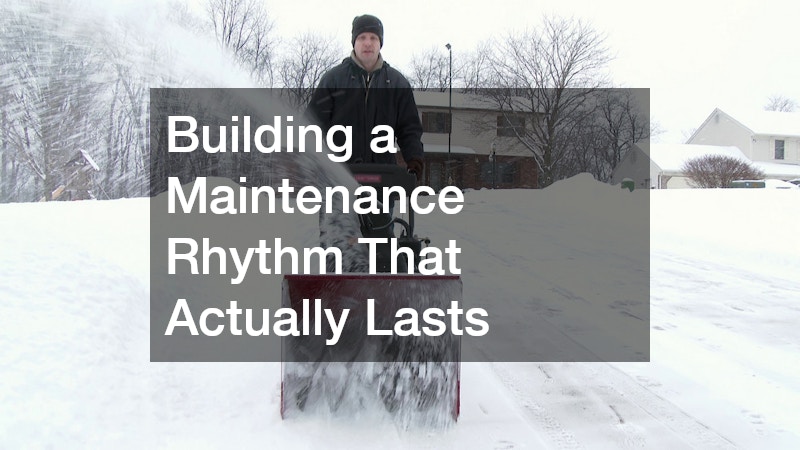
The best seasonal maintenance plan is the one you will actually follow. A complicated checklist with dozens of tasks may look impressive, but it often gets ignored. A simpler rhythm usually works better.
Try assigning each season a focus. Spring can be for water, drainage, and exterior recovery after winter. Summer can be for cooling, cleaning, and comfort. Fall can be for heat, fireplaces, and weatherproofing. Winter can be for safety checks, roof monitoring, and indoor efficiency.
Keep a notebook, app, or shared family document with three basic details: what was checked, what was fixed, and what needs attention later. This makes it easier to spot patterns. If the same drain clogs every few months or the same room stays uncomfortable every season, the notes will show it.
It also helps to set a modest monthly budget for preventive care. Even a small amount saved regularly can make seasonal repairs feel less disruptive. Homeownership becomes much less stressful when maintenance is planned instead of constantly handled in emergency mode.
Staying Ahead Protects More Than the House
Seasonal maintenance is really about stewardship. A home protects the people inside it, and in return, it needs steady attention. Fathers do not need to know how to fix everything themselves. They just need to notice problems early, handle what they can safely manage, and call skilled professionals when the job requires it.
A thoughtful maintenance routine can reduce surprise expenses, improve comfort, extend the life of major systems, and make the home safer for everyone. More importantly, it creates confidence. When each season arrives, the house is not being ignored until something breaks. It is being cared for with purpose.
That kind of consistency is one of the most practical upgrades any family home can receive.