As concerns about climate change and environmental sustainability rise, electric vehicles (EVs) have emerged as a vital solution to reduce carbon emissions. Critical to the widespread adoption of EVs is the development and accessibility of efficient EV charging infrastructure. Understanding EV charger services is vital not only for enhancing the user experience but also for contributing to a significant reduction in our carbon footprint.
EV chargers play a pivotal role by enabling vehicle recharging, which influences the convenience and viability of electric vehicle use. As the EV market expands, so does the diversity of charging solutions, making awareness of these services more crucial.
This article navigates through the detailed landscape of EV charger services, addressing types, working mechanisms, cost implications, and benefits, aiming to provide a comprehensive understanding of this evolving technology.
By gaining insights into EV charging technology, consumers can make informed decisions that not only benefit their personal economic standing but also contribute to environmental well-being. The availability of chargers, their accessibility, and affordability directly impact electric vehicle adoption rates. Understanding these factors and their potential for future innovation underlines the importance of being well-versed in EV charging technologies.
1. What Types of EV Chargers Are Available?
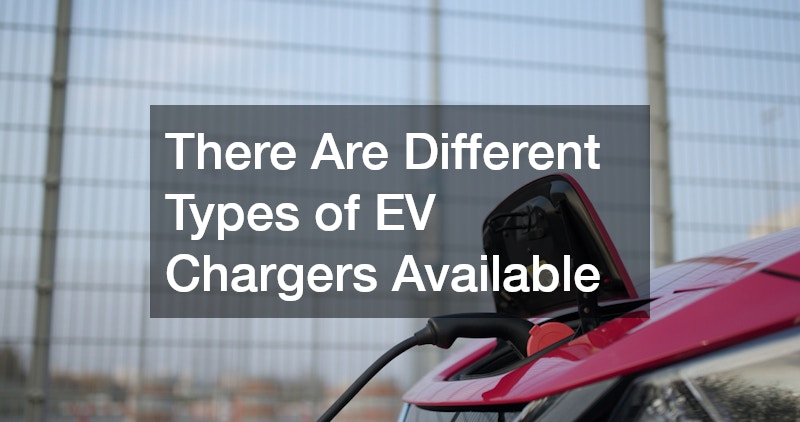
EV chargers are generally categorized into three types: Level 1, Level 2, and DC Fast Chargers, each serving different use cases and charging speeds. Level 1 chargers provide basic, slow-speed charging suitable for overnight home use, utilizing a standard 120-volt plug and offering around 2 to 5 miles of range per hour of charging. In contrast, Level 2 chargers significantly reduce charging time by using a 240-volt power source similar to an electric dryer, available in both residential and commercial locations.
DC Fast Chargers, or Level 3 chargers, offer rapid charging capabilities that can recharge an EV battery up to 80% in roughly 30 minutes, depending on the vehicle model. These are typically found along major highways to facilitate long-distance travel. The availability of these fast chargers is pivotal for addressing range anxiety, a common concern among potential EV owners, by ensuring efficient recharging during extended trips.
As technology progresses, new types of chargers continue to be developed, including wireless charging solutions and ultra-rapid chargers that promise even faster renewals. Each category has its advantages, with Level 1 and Level 2 being pivotal for at-home and workplace charging while DC Fast Chargers support the transition to electric vehicles by offering rapid and convenient recharging options. It is essential for users to understand which type of charger suits their needs and driving habits best.
2. How Do EV Chargers Work?
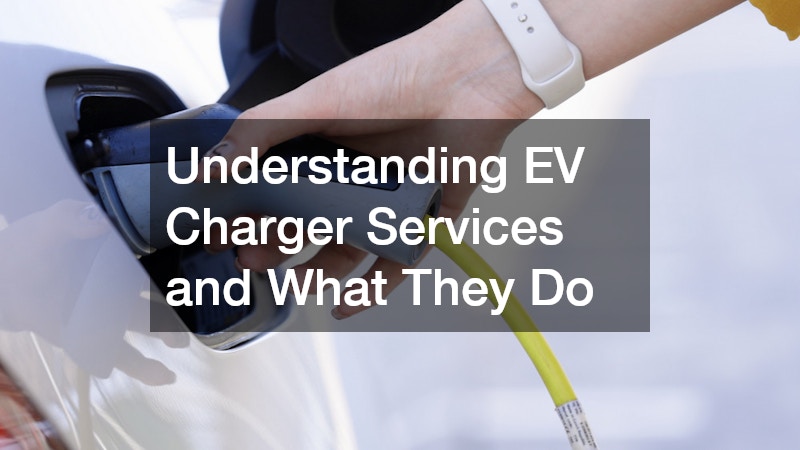
Electric vehicle chargers essentially function by transferring energy from the power grid to an electric vehicle’s battery system, storing energy for later use. The process begins when an EV is connected to a charger via a cord and connector that is compatible with the vehicle’s charging port. The charging device manages the electrical flow and ensures the proper voltage and current are maintained to protect the battery from overcharging or damage.
Level 1 and Level 2 chargers serve as alternating current (AC) sources that need to convert to direct current (DC) using the vehicle’s onboard charger, which is a process that’s relatively longer but needed for standard home and office electricity supply. In contrast, DC Fast Chargers supply direct current directly to the battery, bypassing the onboard charger conversion process and substantially reducing charging time. This capability is vital for on-the-go charging solutions as it allows drivers to maximize their travel time.
Smart EV chargers introduce additional functionalities such as communication capabilities via the Internet. They can integrate with smart grid technologies to optimize charging schedules, allowing for energy savings by charging during off-peak hours. This technology not only supports energy management initiatives but also reduces the strain on local electric grids, paving the way for expanded EV use and sustainability.
3. Where Can I Find EV Charging Stations?
Charging stations are becoming increasingly present in urban areas, workplaces, shopping centers, and highway rest stops to cater to varying consumer needs. The strategic placement of these stations is essential to provide the ease of access needed to encourage EV adoption. As of recent reports, over 100,000 public EV charging stations have been installed across the United States alone.
Online maps and apps such as PlugShare and ChargePoint offer real-time data on the location and availability of charging stations, offering a hassle-free arrangement for EV owners. These platforms enable users to plan routes more effectively and locate convenient charging options, addressing concerns about the range and time schedules efficiently. The growth of charging networks further includes partnerships with businesses to install chargers on-site, enhancing accessibility and convenience for employees and customers.
The proliferation of charging stations aligns with international efforts toward sustainable urban development and reductions in emissions from transportation. Yet, rural and isolated locations may face scarcity in charging infrastructure, necessitating further innovation and investment in the networks. As these initiatives expand, they will play a critical role in reaching an environment where EVs can seamlessly integrate into daily life.
4. How Much Does It Cost to Use EV Charger Services?
The cost of charging an electric vehicle can vary significantly based on multiple factors, including the type of charger, location, and electricity rates. Level 1 home charging can be remarkably economical, often costing as low as $0.05 per mile due to lower electricity rates associated with residential use. This low cost highlights the economic benefits of adopting electric vehicles for daily commuting under long-term financial planning.
Level 2 chargers, typically found in public spaces and workplaces, might incur higher costs due to infrastructure and maintenance fees, ranging from $0.10 to $0.30 per kWh. Charging times are faster, however, which many users find advantageous for maintaining a charged vehicle without extensive downtime. Meanwhile, DC Fast Charging stations, primarily placed along high-traffic areas, have costs that can be upwards of $0.35 per kWh because of rapid service and location-based pricing influences.
Consumers are encouraged to consider subscription plans and memberships with charging networks that offer reduced rates and monthly fees to alleviate the costs involved. Furthermore, government incentives and employer support programs can subsidize expenses, making EV ownership a more attractive proposition. Understanding the variations in cost can aid consumers in making informed decisions that fit their lifestyle and budgetary constraints.
5. What Are the Benefits of Using EV Charger Services?
EV charger services offer numerous benefits that touch on economic, environmental, and technological aspects. Cost savings play a significant role, as electricity rates are generally lower than gasoline prices, allowing consumers to save significantly on fuel expenses over time. Additionally, the availability of home charging effectively reduces the dependency on gas stations, enhancing the convenience factor for vehicle owners.
From an environmental perspective, EV charger services contribute to significant reductions in greenhouse gas emissions, aiding efforts to combat climate change by reducing reliance on fossil fuels. The integration of renewable energy sources such as solar and wind into the electricity grid further enhances the sustainability of electric vehicle use, presenting a roadmap to a cleaner automotive future. With electric vehicles, individuals and communities become active participants in global environmental initiatives.
Technologically, the continued research into charger efficiency and the integration of smart technology aims to optimize the charging experience. These advancements offer improved battery life, user-friendly interfaces, and seamless energy management solutions, fostering a robust network benefiting both consumers and energy providers. Through innovation, EV charger services are not only improving transport efficiency but also creating new avenues for technological growth and integration.
Understanding EV charger services is essential in navigating the shift toward electric vehicles as a prominent mode of sustainable transportation. There is a growing awareness of the variety, costs, and benefits associated with charging infrastructures, which is critical for efficient usage and future planning. As technology continues to evolve, the enhancements in charger functionality and deployment will support a comprehensive transition to electric mobility.
This article has outlined the types, working mechanisms, locations, and economic aspects of EV chargers, offering a detailed view that encourages informed decision-making. Future developments in this sector hold the promise of higher efficiency, cost-effectiveness, and integration with renewable energy systems, crucial for a greener planet. By embracing and understanding these technologies, we are collectively advancing towards an environmentally responsible future.
The move towards electric vehicles, supported by efficient charger services, signals a harmonized journey towards reducing carbon emissions and achieving sustainable transport solutions. With continued innovation and government support, the landscape of EV charging promises an accessible, financially viable, and integral part of daily modern living. Adopting and adapting to these changes heralds an exciting era of progressive transportation solutions.