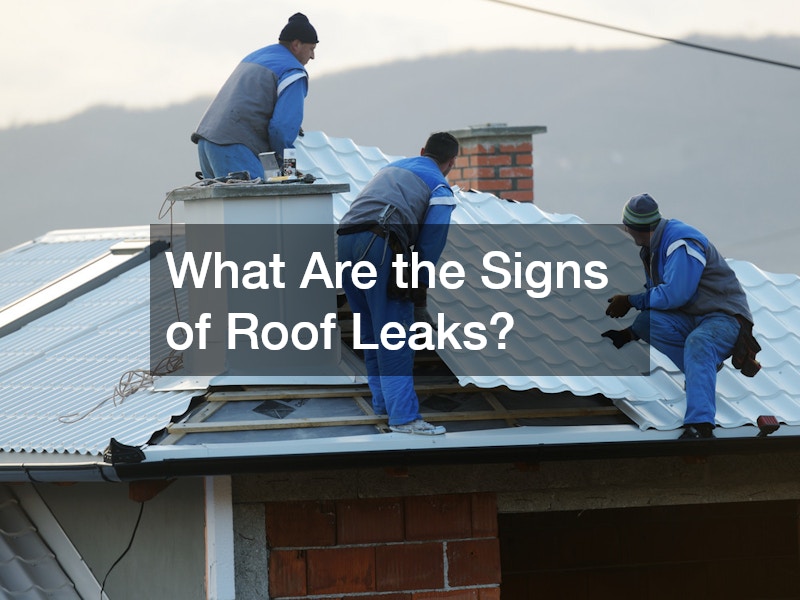
The roof is one of the most vital components of a home’s structure, protecting the interior from external elements and maintaining the integrity of the building. However, over time, roofs can suffer from damage due to various reasons. Identifying the common signs of roof damage can help homeowners take timely actions to prevent further issues. This article explores the key signs that may indicate roof damage needing roof repair and addresses the most commonly asked questions related to roofing problems. Ensuring timely intervention can save homeowners from costly repairs or even roof replacement.
1. How Do I Know If My Roof Has Water Damage?
Water damage is one of the most prevalent issues homeowners face with their roofs. A leaking ceiling or attic is often the first sign that something is amiss. Such leaks can cause significant damage if not addressed promptly, including structural damage and mold growth. It’s crucial to routinely check your attic for any signs of water intrusion, particularly after heavy rainfalls. Early detection can significantly reduce repair costs and prevent further deterioration.
Water stains on interior walls or ceilings are another red flag of roof water damage. These stains often appear as discolored patches that may vary in shape and size. If these stains are ignored, they can lead to more severe issues like wall rot and compromised insulation. Homeowners should also be aware of any subtle changes in their home’s smell, as a musty odor often accompanies water damage. Regular inspection of your home’s interior can help in identifying potential water damage early.
Mold and mildew growth is another common indicator of water damage. These unsightly and health-threatening problems thrive in damp environments, such as those created by roof leaks. Mold not only compromises the structural integrity of your home but can also pose serious health risks to the occupants. Addressing leaks promptly and ensuring proper ventilation can mitigate this risk. It is also recommended to consult with professionals for any substantial mold or mildew issues.
2. What Are the Signs of Roof Leaks?
One of the most apparent signs of a roof leak is missing or damaged shingles. Shingles are the first line of defense against the elements, so their condition is crucial for a roof’s health. Missing shingles can allow water to penetrate the underlying structure, leading to leaks and further damage. It’s essential to routinely inspect your roof, especially after severe weather. Catching this early can prevent more complicated issues down the line.
Flashing damage is another telltale sign of roof leaks. Flashing is the material used to seal joints and angles on the roof, providing a watertight seal. Compromised flashing can lead to water seepage at critical points, such as around chimneys or skylights. Regular maintenance, such as resealing or replacing the flashing, is necessary to ensure the roof remains leak-free. Taking these steps can extend the life of your roof considerably.
Granule loss from asphalt shingles is an often overlooked sign of impending leaks. Granules are the small protective particles that cover shingles, offering UV protection and additional waterproofing. If these granules are washed away, either due to age or external factors, the shingles can become brittle and prone to leaks. Checking your gutters for an accumulation of granules can be an effective early warning system. This small step in routine maintenance can prevent larger, more costly repairs.
3. How Can I Tell If Roof Shingles Are Damaged?
Cracked shingles are a common issue that can lead to roof damage over time. While a few cracked shingles might not seem like a big deal, they can quickly escalate into larger problems if ignored. Cracks can allow water to penetrate the roof, leading to leaks and further interior damage. Repairing or replacing cracked shingles can prevent these issues from worsening. Routine roof inspections can catch these signs early, offering peace of mind for homeowners.
Shingle deformation, such as warping or curling, can also be a sign of potential damage. These changes can occur due to various reasons, including moisture infiltration or age. When shingles warp or curl, their ability to protect the roof is compromised, potentially leading to leaks. It’s essential to address these defects quickly, either through repairs or, if necessary, a full roof assessment. Professional help can ensure that deformed shingles are appropriately managed.
Shingles suffering from UV damage is another common concern for homeowners. Constant exposure to sunlight can cause shingles to become brittle and lose their protective qualities. Over time, this can lead to cracks and the aforementioned curling or warping. Using high-quality, UV-resistant shingles can help mitigate this problem. During inspections, homeowners should be vigilant for signs of UV wear to prevent any long-term damage.
4. What Indicators Show Roof Is Aging?
A fading roof color is one of the most visible signs of an aging roof. This fading is often due to prolonged exposure to weather elements and sun damage. While some fading is natural, significant changes in color can indicate the need for further inspection. Such signs may reveal underlying issues like material degradation. Addressing these signs early can prevent the necessity for complete roof replacement.
Loss of roof material integrity is another key indicator. Over time, roofing materials like shingles or tiles may start to crack, crumble, or lose their adhesive properties. This can lead to loose or missing sections, increasing the risk of leaks and further structural damage. Regular maintenance can help spot signs of material failure early. Homeowners should consider a professional evaluation if they suspect their roofing materials are deteriorating.
Persistent roof odor is another subtle indicator of roof aging. It might suggest issues such as mold growth or decaying materials. While all roofs eventually age, certain odors may signal more pressing issues that require attention. It’s important to pay attention to unusual smells and address them promptly. A thorough inspection can help diagnose the root cause and guide necessary actions.
5. What Are the Signs of Weather Damage on the Roof?
Hail damage impressions are often distinctive and can severely compromise the structural integrity of a roof. Revealing themselves as dimples or oddly shaped marks, these impressions can disrupt protective coatings on shingles, leading to further damage. Hailstones vary in size, creating varying levels of impact, which is why assessment post-storm is crucial. Protecting roofs from hail damage involves regular check-ups and occasionally upgrading to more resilient materials. Notably, hail damage might not be immediately visible but can cause long-term deterioration if unaddressed.
Wind damage is another common factor that can significantly harm your roof. Strong winds can uplift or entirely remove shingles, exposing the underlayment to weather elements. Over time, even moderate wind conditions can exacerbate any existing roof vulnerabilities. Homeowners should pay close attention to how their roofs respond to typical weather in their area. Inspecting the roof after substantial winds for loose shingles or debris can help prevent unseen issues from escalating.
Finally, snow and ice damage, common in colder climates, can severely affect roofing conditions. The weight of heavy snow, combined with freeze-thaw cycles, can strain roof structures and lead to ice dams. These dams cause water to back up under shingles, leading to potential leaks and structural damage. Ensuring the roof is adequately insulated and ventilated can mitigate such problems. Maintaining a proper roof cleaning routine during winter can help manage issues before they progress.
Understanding and identifying common signs of roof damage are crucial for homeowners to ensure the longevity and functionality of their roofs. Regular inspections, timely maintenance, and knowing when to seek professional help can significantly prevent expensive repairs and maintain the safety and comfort of the home. This article has addressed various aspects of roof damage that are frequently questioned, offering insights into managing and preventing roofing issues. Staying proactive in roof maintenance can allow homeowners to catch potential problems before they escalate into costly repairs. In summary, being vigilant can safeguard your home from the top down.