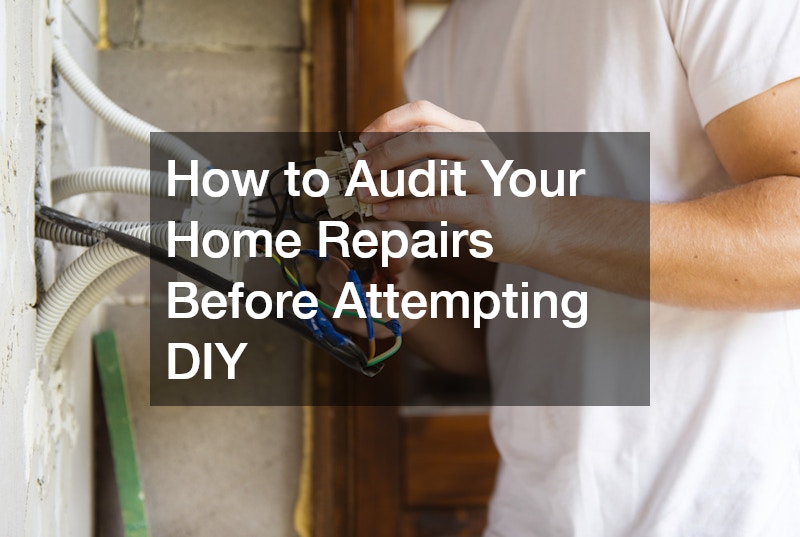
Saturday mornings in a busy household rarely begin in silence. Between fixing breakfast, juggling activity schedules, and tracking down missing shoes, most parents are already running on a full mental tank before nine in the morning. When you add a creaking floorboard, a sudden ceiling stain, or a malfunctioning fixture to that mix, the initial instinct is usually one of two extremes: panic about the cost of hiring help, or a determined rush toward the toolbox to handle it yourself over the weekend.
The motivation to take on home maintenance projects personally is obvious. Raising a family is expensive, and taking pride in maintaining your own living space is deeply satisfying. However, the realities of parenting change the math of home improvement. A project that takes a single homeowner four hours on a quiet Saturday can easily balloon into a three-weekend ordeal for a parent dealing with constant interruptions, child safety monitoring, and depleted energy levels. More importantly, an amateur mistake doesn’t just cost money—it can compromise the safety of your home environment for the people you care about most.
Auditing your home repairs before picking up a hammer is the ultimate protective measure for your time, budget, and peace of mind. Instead of asking whether you are physically capable of doing a job, an effective audit forces you to evaluate whether tackling it yourself makes sense within the context of your daily family life. By systematically evaluating safety risks, tool requirements, sanitary conditions, and time costs, you can make clear, confident decisions that protect both your home investment and your weekend sanity.
Assessing Overhead Risks and High-Elevation Exterior Hazards

Establishing Clear Operational Boundaries Around Elevated Structures
Every home maintenance audit begins with an honest assessment of physical elevation and gravity. Working high off the ground presents an inherent hazard that multiplies exponentially when you have young children playing nearby. Before committing to any project that requires a ladder, climb up to inspect the working conditions thoroughly. Note the stability of the ground surface below, look out for overhead power lines, and calculate the potential fall zones.
If a leak appears near your upper story after a heavy rainfall, for example, your first impulse might be to haul an extension ladder out of the garage. But overhead work requires continuous concentration, proper safety harnesses, and spotters who can keep their eyes on the ladder rather than monitoring toddlers. Minor roof repair might seem straightforward on a video tutorial, but working on a steep pitch while worrying about kids running out into the yard below creates unnecessary, dangerous stress. If a structural repair requires specialized fall-arrest systems or places you more than ten feet off the ground, the risk calculation almost always favors bringing in an insured professional.
Evaluating Perimeter Safety and Tree Integrity Near Family Play Areas
The perimeter of your yard poses similar high-elevation concerns, particularly when dealing with mature trees that overhang areas where your children play. When auditing your property’s trees, look for structural signs of decay, such as fungal growth near the roots, dead branches suspended in the upper canopy, or sudden leaning after a storm.
You should start by identifying cracked or dead limbs directly above high-traffic play zones. Next, check for proximity to utility lines or neighboring structures. Finally, determine if the limb diameter exceeds your safe cutting equipment capacity.
If you notice hollow trunks or extensive decay near main structural limbs, consulting a certified arborist provides an objective safety assessment before a branch comes down unexpectedly over a swing set or patio. Assessing these environmental risks with an expert eye ensures your outdoor play spaces remain safe for your children without putting your own safety on the line trying to prune heavy overhead branches yourself.
Calculating Tool Investments and Machinery Operational Demands

Factoring Rental Costs and Logistics into Major Outdoor Overhauls
- Calculate the complete equipment rental fees. Look beyond the base daily rate. Factor in delivery charges, fuel, safety gear purchases, and potential late return fees if family emergencies interrupt your working hours.
- Audit your transport and storage capabilities. Confirm whether your vehicle can safely haul heavy machinery, or if you have a secure, locked garage space to store industrial tools away from curious children overnight.
- Map out operational time windows. Estimate how many uninterrupted hours you actually have available. If a project requires continuous machine operation over twelve hours, a busy parent may need to split the work across multiple rentals, quickly eliminating any financial savings.
Beyond safety risks, the physical tools required for a repair often determine whether a project is practical for a parent. Consider a major driveway update or large-scale ground leveling. Resurfacing a worn vehicle path or handling an asphalt paving task demands heavy rollers, precise heating tools, and specialized transport equipment to achieve a durable, smooth surface. Attempting to manage hot materials and industrial machinery with children around requires strict perimeter management that is nearly impossible for a single parent to maintain alone.
Testing Your Familiarity with Heavy Outdoor Machinery Before Renting
When tackling large yard updates, parents often turn to commercial rental yards to save money on labor. Renting commercial machinery sounds simple enough, but operating heavy equipment requires both mechanical experience and physical stamina.
Before committing to a landscaping equipment rental, spend time reading the operator manual and evaluating whether you can safely manage the machinery. Industrial tillers, stump grinders, and trenchers can easily overpower an inexperienced operator, leading to rapid exhaustion or serious injury. If learning to run a piece of machinery consumes half of your allocated work window, the project will quickly fall behind schedule, leaving your yard in an unsafe, half-finished state that restricts your kids from playing outside.
Managing Household Hygiene and Pest Infestations

When pests enter a living space, the immediate priority is removing the threat without introducing dangerous toxins into areas where your children sleep, crawl, and play. The audit process for pest management requires determining whether you are dealing with an isolated visitor or a systematic infestation rooted deep inside your walls or foundation.
For isolated sightings involving only one or two pests with a clear entry point, you can typically focus on DIY traps, sealing foundational cracks, and monitoring the space for 48 hours. However, if you are dealing with a systemic infestation characterized by droppings, activity across multiple rooms, or visible structural damage, you should immediately contact a licensed professional.
For minor issues, targeted non-toxic interventions are effective. Setting up simple mechanical traps and sealing minor foundation gaps provides basic rodent control without placing hazardous chemical baits within reach of toddlers or family pets. However, if you discover widespread signs of activity, gnawed wiring, or nested materials behind appliances, attempting to handle the problem with over-the-counter sprays often wastes time while the problem worsens.
In these scenarios, calling a licensed exterminator ensures the infestation is eliminated using industry-approved, targeted methods that minimize chemical exposure risks for your family. A professional can quickly identify hidden nesting sites, address the root cause, and implement long-term prevention strategies that keep your indoor air quality and living environments safe.
Outdoor storage practices play a major role in preventing pests from entering your home in the first place. Stacking firewood directly against an exterior wall or near a back porch creates an inviting, sheltered habitat for insects, mice, and rats right next to your living quarters. Elevating your wood stack off the ground and placing it at least twenty feet away from your home creates a clean barrier, preventing pests from migrating into your walls while keeping fuel accessible for family fire pits.
Evaluating Scope and Structural Precision for Indoor Upgrades

Indoor renovations require a unique blend of high cosmetic detail and strict structural security. Unlike outdoor yards, indoor work zones sit in the center of your daily living environment, meaning open walls, loose hardware, and exposed tools directly disrupt your family’s routine.
Assessing Structural Framing and Leveling for Heavy Glass Bath Upgrades
Bathrooms are prime candidates for value-adding upgrades, but they are also unforgiving environments for measurement errors. Replacing a shower curtain with a frameless glass shower door, for example, demands absolute precision. Glass panels are heavy, unforgiving, and require solid timber studs behind tile walls to support their weight safely.
During your audit, use a stud finder and a level to inspect the wall support where the fixture will attach. If your walls are out of plumb or lack internal blocking, installing heavy tempered panels without structural modification can lead to cracked tiles, improper sealing, or shattered glass. If the installation requires opening up finished tile walls to add structural support, hiring a professional contractor ensures the enclosure is safely anchored and fully watertight.
To systematically audit an indoor fixture project, verify that framing studs are centered and secure, confirm whether the installation requires millimeter accuracy, check that all sharp edges and glass are isolated from children, and ensure the work can be completed within a manageable timeframe.
Installing Cordless Window Treatments to Enhance Child Safety Standards
Not all indoor upgrades require major construction. Replacing old window coverings with modern custom blinds is an ideal project for parents seeking a high return on effort. Modern safety standards recommend cordless window treatments in houses with young children to eliminate tangling hazards, making this project an excellent safety improvement.
Measuring and mounting window treatments requires basic hand tools, a level, and minimal installation time. Because you can complete one window at a time during naptime or after the kids are in bed, this upgrade minimizes disruption to your family’s schedule. It allows you to transform the look and safety profile of a child’s bedroom without creating an extended construction zone in your home.
Beyond window treatments, minor cosmetic improvements like upgrading cabinet hardware, hanging nursery wall shelves, or swapping out decorative switch plates provide identical quick wins. These low-risk projects fit neatly into unpredictable parenting schedules because they require minimal surface prep, generate virtually no hazardous debris, and can be paused or packed away instantly if a child needs attention. Focusing your hands-on energy on high-visibility, low-risk interior updates delivers maximum pride of ownership while reserving professional contractors for complex structural or utility work.
Auditing Large Landscape Hazards and Tree Removal Needs
Major landscape hazards require a thoughtful approach to safety. While maintaining garden beds, planting shrubs, or clearing brush are great family-friendly outdoor activities, managing massive dead trees or massive falling limbs is an entirely different category of risk.
When a large tree on your property shows clear signs of dieback, severe storm damage, or dangerous leaning toward your roof, the audit must center on controlled drop zones. Falling timber is unpredictable; unexpected wind shifts, internal wood rot, or tension within branches can cause heavy timber to fall in unplanned directions.
Using a professional tree removal service is essential whenever a tree’s height exceeds your ability to control its fall path safely. Professional teams use specialized rigging systems, cranes, and bucket trucks to dismantle large trees section by section, protecting nearby power lines, structures, and play areas. Delegating high-risk felling operations to experienced crews keeps your family safe while freeing up your weekends for safer, more enjoyable home improvement projects.
Evaluating neighboring boundary lines is another vital step before starting major tree work. When branches cross property boundaries, cutting them without proper consent can trigger costly legal disputes or neighborhood tension. A qualified crew handles these logistical checks smoothly while managing the cleanup, saving you from complex liability issues.
Balancing Family Priorities and Home Maintenance
Taking the time to audit your home repairs before picking up a hammer transforms home maintenance from a source of stress into a manageable, structured process. By objectively assessing physical risks, tool requirements, pest conditions, and installation complexities, you protect both your family budget and your household safety.
DIY projects should enrich your family life by building pride in your home, not strain your relationships or jeopardize your physical safety. Knowing when to tackle a weekend project yourself and when to call in an experienced professional is the mark of a smart, practical homeowner. By using a clear audit process for every repair, you can build a safe, comfortable, and well-maintained environment where your family can thrive for years to come.